I still remember sitting at my kitchen table with four credit card statements spread out like a bad hand of cards, a calculator, and a cup of coffee that had gone cold an hour ago. I owed money on all four. I had no idea which one to pay off first. And every finance blog I read gave me a different answer, like they were arguing with each other and I was stuck in the middle.
If you’ve ever stared at a pile of statements and felt that little drop in your stomach, that “how did I let it get this big” feeling, this one’s for you.
Here’s the thing nobody tells you: picking a payoff method isn’t really about math. It’s about whether you’ll actually stick with it. Let’s sort out which method fits you.
In this guide, you’ll learn:
- How the snowball and avalanche methods work, in plain English
- A side-by-side example with real numbers
- Which method saves more money, and when that matters less than you’d think
- How to pick the one you’ll actually finish
- What to set up before you start, so one surprise doesn’t undo your progress
Why This Actually Matters
Let’s be honest for a second. Debt doesn’t just cost you money. It costs you sleep. It costs you that tight feeling in your chest when your card gets declined at the grocery store, even though you know it shouldn’t. It costs you the mental energy of doing math in your head every time you want to buy something, even something small.
The interest is the obvious cost. Every month you carry a balance, you’re paying rent to a bank for money you already spent. But the bigger cost, at least in my experience, was the way debt sat in the back of my mind all day, quietly draining me.
So yes, choosing the “smarter” method matters. But choosing the method you’ll actually finish matters more. A perfect plan you abandon in month three is worse than a slightly less perfect plan you follow for two years straight.
That’s the whole debate between snowball and avalanche. Let’s break both down without the jargon.
The Two Methods, in Plain English
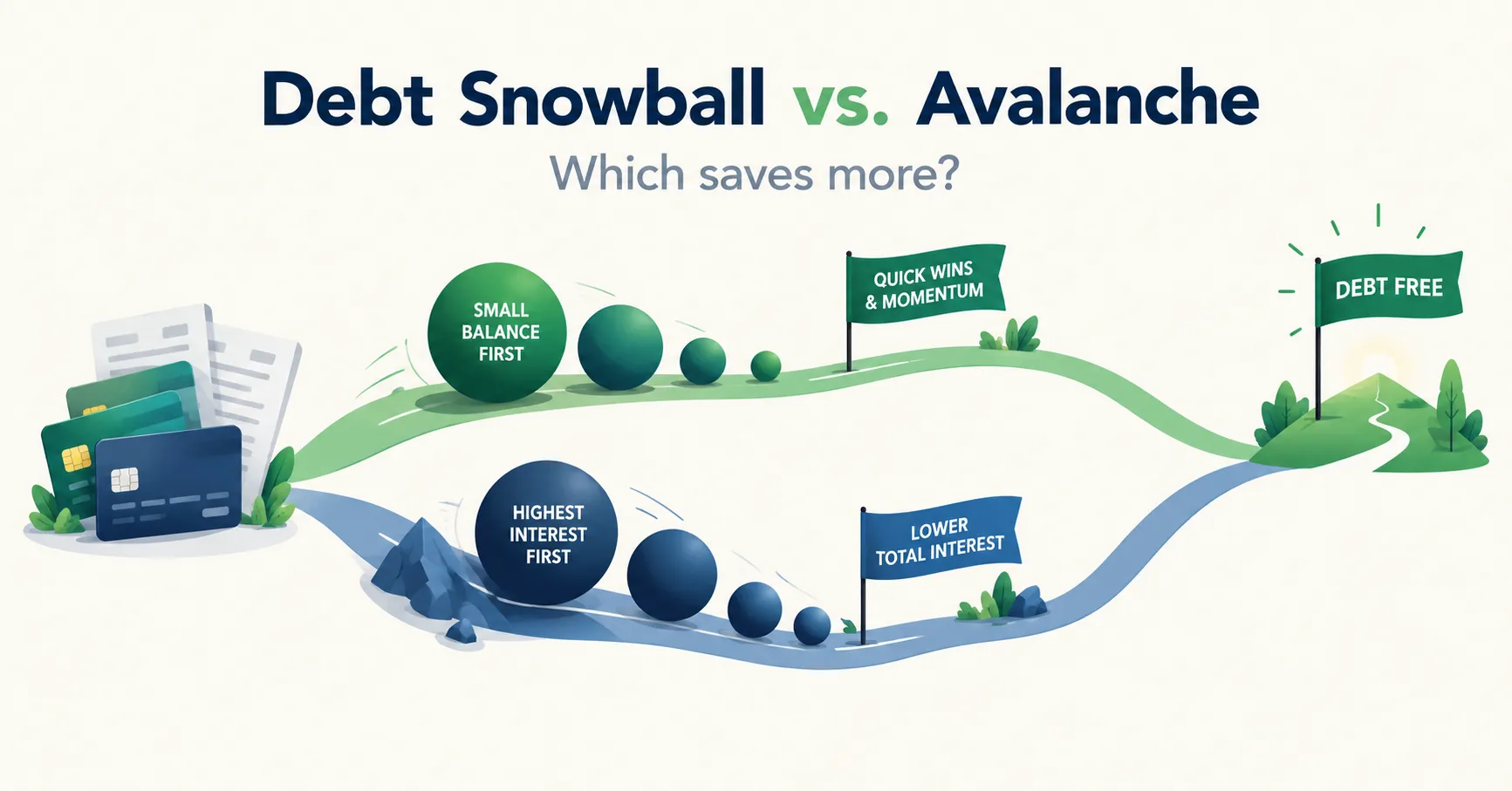
Both methods start the same way. You pay the minimum on every debt, then put every extra dollar toward one target debt. The only difference is how you choose that target.
The Debt Snowball
You list your debts from smallest balance to largest, no matter what the interest rate is. You pay minimums on everything, and every extra dollar goes to the smallest balance. When that one is gone, you take the money you were putting toward it and roll it into the next smallest. The payments grow as you go, like a snowball rolling downhill.
The appeal isn’t math. It’s momentum. You get a win fast, and that first “paid in full” moment makes the whole thing feel possible instead of impossible.
The Debt Avalanche
Same idea, different order. You list your debts from highest interest rate to lowest, regardless of balance, and attack the one costing you the most first. Because you cut off the most expensive debt earliest, you pay less interest overall.
The tradeoff is that your highest-interest debt is sometimes also your biggest balance, so your first win might take a while to show up. If you need quick proof that something is working, that wait can feel brutal.
See Both Methods With Real Numbers
Abstract explanations only go so far, so let’s run an example. Say you have three credit cards and $300 a month to put above your minimums.
| Debt | Balance | APR | Minimum payment |
|---|---|---|---|
| Card A | $800 | 17% | $35 |
| Card B | $2,200 | 26% | $66 |
| Card C | $3,500 | 21% | $105 |
| Total | $6,500 | $206 |
Your total monthly payment is $506 ($206 in minimums plus $300 extra). Here’s how each method plays out:
| Snowball | Avalanche | |
|---|---|---|
| Payoff order | A, then B, then C | B, then C, then A |
| First debt gone | Month 3 | Month 7 |
| Debt-free in | About 15 months | About 15 months |
| Total interest paid | About $987 | About $936 |
(These figures are illustrative. They assume fixed payments, no new charges, and interest compounding monthly. Your own numbers will differ.)
Notice two things.
First, avalanche does save money. In this example, about $51. That’s real, and it will grow if your balances are larger or your rates are higher.
Second, the finish line barely moved. Both methods got there in roughly the same time. The big difference was the experience along the way. With snowball, you’d have a card completely paid off by month three. With avalanche, you’d wait until month seven for the same feeling.
That’s the whole tradeoff in one table: a little more money saved, or a faster first win.
Which One Actually Saves You More Money?
Avalanche wins on paper. Every time, mathematically, it saves the same amount or more in interest than snowball. If you can look at a spreadsheet, trust the numbers, and stay motivated by logic alone, avalanche is your method.
The gap depends on how different your interest rates are. If all your cards sit around the same APR, the two methods land almost on top of each other. If one card is at 29% and another is at 12%, the difference grows, and it’s worth taking seriously.
But here’s what I learned the hard way: I am not that person. I tried avalanche first. I tackled my highest-interest card, which also happened to be my largest balance, and four months in I felt like I hadn’t moved an inch. I got discouraged. I slipped. I used the card again.
So I switched to snowball. I knocked out a tiny $400 balance in three weeks and felt like I’d won the lottery. That feeling carried me through the next debt, and the next. I paid a little more interest than I would have with perfect avalanche discipline. But I actually finished. And finished beats perfect every time.
Which Method Is Right for You?
If you’re still torn, here’s a quick way to decide.
Choose snowball if:
- You’ve started and quit a payoff plan before
- You need to see progress quickly to stay motivated
- You have several small balances you could clear fast
- Fewer open accounts and fewer bills would make you feel lighter
Choose avalanche if:
- You’re motivated by saving the most money possible
- You have one or two very high-interest debts (think 25% or more)
- You’re comfortable waiting for results because you trust the plan
- Your highest-rate debt also happens to be a smaller balance (then you get the best of both)
Or try a hybrid. Some people start with snowball to clear one or two small balances for early wins, then switch to avalanche once they have momentum. That isn’t failure. It’s adjusting the plan to fit your life.
Want to test it with your own numbers before you decide? Our free Debt Payoff Calculator runs snowball and avalanche side by side, with no download and instant results.
How to Use the Debt Payoff Tracker
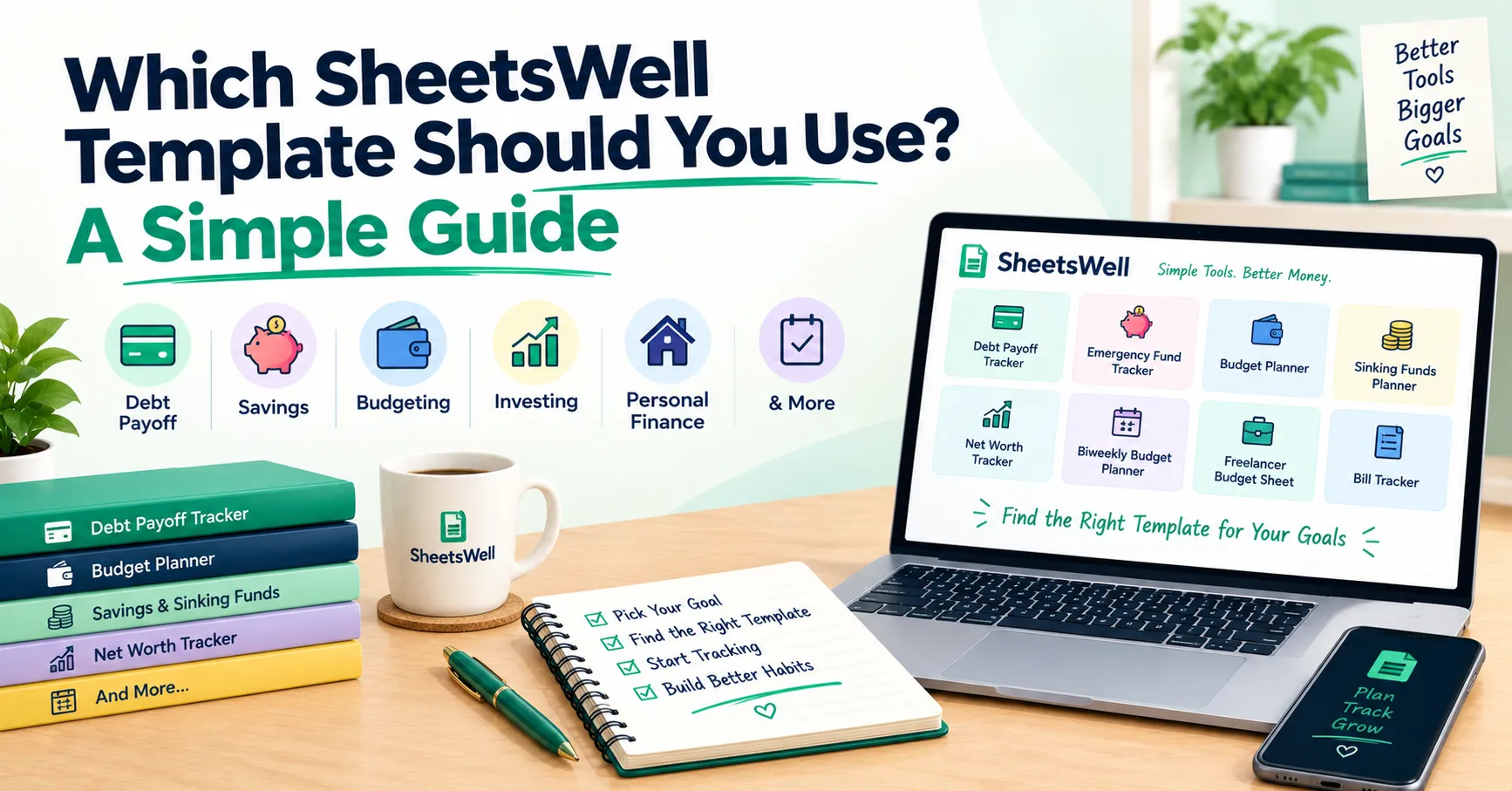
The calculator is great for a quick comparison. If you want to track your plan month after month, the Debt Payoff Tracker is built for that, with both methods included so you don’t have to guess which one you are. Here’s how to get moving.
1. Download the sheet and make your own copy. Don’t edit the master file. Go to File, then “Make a copy,” so you have your own private version.
2. List every single debt you have. Every card, every loan, every “I’ll pay you back next month” situation you’re taking seriously. Include the balance, minimum payment, and interest rate for each one. Yes, even the embarrassing one. The sheet can only help if it’s honest.
3. Let the sheet sort them both ways. The tracker automatically arranges your debts by smallest balance (snowball order) and by highest interest rate (avalanche order), side by side, so you can compare without doing the math yourself.
4. Enter how much extra you can put toward debt each month. Be realistic here. This is the number that matters more than any other cell in the sheet. If you’re not sure, underestimate slightly. You can always add more later. If you’re not sure how much is realistic, our guide to building a zero-based budget in Google Sheets shows you how to find that number.
5. Watch the projected payoff dates update. The sheet shows, for both methods, roughly when you’d be debt-free and how much total interest you’d pay. This is the moment most people either feel motivated or feel their stomach drop again. Either way, now you know where you actually stand.
6. Pick your method and update it monthly. As you make payments, log them. Watch the balances shrink and the “debts remaining” number tick down. That visual progress does more for your motivation than you’d think.
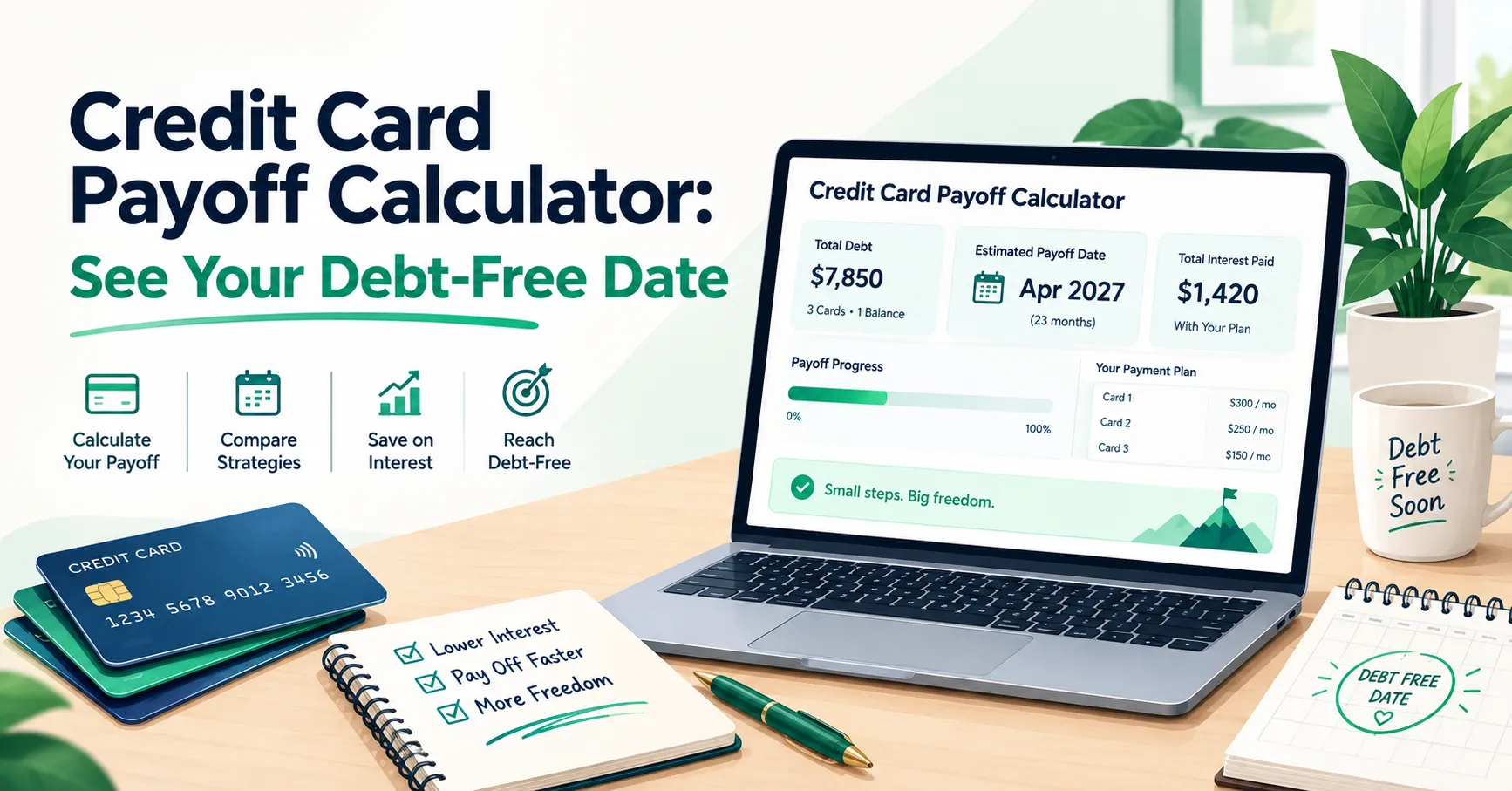
Once you’ve chosen your method and want a clearer picture of your payoff date on cards specifically, our Credit Card Payoff Calculator shows exactly what each monthly payment buys you in time and interest.
A Few Things I Wish Someone Had Told Me
Never skip the minimums on your other debts
I know it’s tempting to throw everything at your target debt. But missing a minimum payment on something else can hurt your credit score and trigger late fees or penalty interest rates that undo your progress. Minimums first, extra second, always.
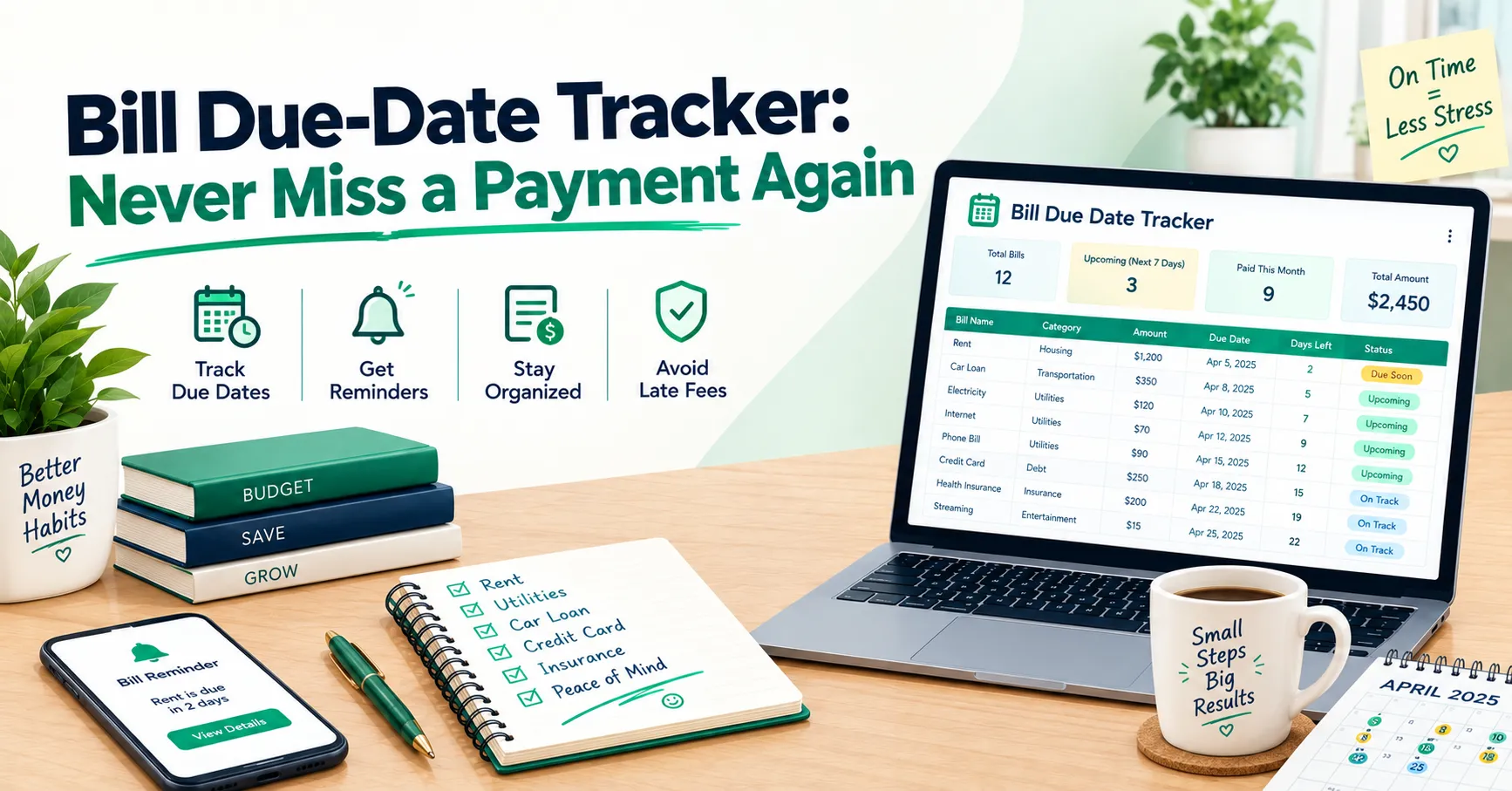
If remembering due dates across several accounts is a struggle, our Bill Due-Date Tracker keeps them all in one place.
Build a tiny buffer before you go all-in
Even $500 sitting untouched in a savings account can save you from using a credit card the next time your car needs a new battery. Without that buffer, one surprise expense can put you right back where you started.
If you’re not sure how much cushion makes sense, try our Emergency Fund Calculator to find a target. And our emergency fund tracker makes it easier to build a starter cushion while you’re paying down debt.
You’re allowed to switch methods
I did. There’s no rulebook that says once you pick snowball you’re locked in forever. If you start with snowball for the early wins and switch to avalanche once you’ve built momentum, that’s not failure.
Stop adding new debt while you pay it down
Every payoff projection, in this guide and in any tool, assumes you’re not adding new charges. If you pay $500 and charge $200 right back, your real progress is $300. If you can, set the cards aside and use debit or cash for everyday spending while you work through the plan.
Be kind to yourself on the hard months
You’ll have a month where an unexpected bill shows up, or you can only pay the minimums. That doesn’t erase your progress. Make the minimums, keep the habit, and pick the extra payments back up next month. If the whole idea of starting feels heavy, our post on why budgeting feels impossible (and how to actually start) might be the gentle push you need.
You’ve Got This
Debt feels heavier when it’s just a stack of statements and a vague sense of dread. It gets a lot lighter the moment you can see it laid out, sorted, and moving in the right direction.
You don’t have to pick the perfect method today. You just have to pick one and start. Here’s the simplest path:
- Run your numbers in the free Debt Payoff Calculator to see both methods side by side.
- Choose the method you’ll actually stick with, even if it isn’t the “mathematically best” one.
- Grab the Debt Payoff Tracker, plug in your numbers, and log your progress each month.
And if you want more tools like this one landing in your inbox, join the SheetsWell email list. No noise, no hype, just the stuff that’s actually helped me and a lot of other people climb out of debt one balance at a time.
Clear your debt. Master your cash. You’re closer than you think.