I get some version of this message almost every week: “I downloaded three of your sheets and I don’t know where to start.” And honestly, I get it. When I was first sorting out my own money, I didn’t need more tools. I needed someone to just tell me which one to open first.
If you’ve got five tabs of spreadsheets open and no idea which one actually matches your situation right now, this one’s for you.
So let’s cut through it. No fluff, no “it depends on your journey” nonsense. Just a straight answer, based on what’s actually going on with your money this month.
Why Picking the Right One Actually Matters
Here’s the thing nobody says out loud: using the wrong tool at the wrong time isn’t just unhelpful, it’s discouraging. If you’re drowning in overdue bills and I hand you a net worth tracker, you’ll open it, stare at asset categories that feel irrelevant to your actual problem, and close it. Not because the tool is bad. Because it’s not the tool for this moment.
Every sheet on this site solves a specific problem. None are meant to be used all at once, especially when you’re just starting out. Pick one, use it until it’s part of your routine, then add the next when you’re ready.
Start With One Question: What’s Actually Stressing You Out?
Forget the long-term goals for a second. What’s the thing that’s genuinely bothering you right now? That answer points you straight to the right template.
“I don’t know where my money goes every month.”
Start with the Zero-Based Budget Template or the Paycheck Budget Planner. If you get paid once a month and think in monthly terms, go with the zero-based one — it has you list income, then assign every dollar a job across Housing, Food, Transport, Utilities, Savings, and the rest, until nothing’s left unaccounted for. If you’re paid weekly or biweekly and your bills don’t line up neatly with your paychecks, the Paycheck Planner is built specifically for that mismatch, assigning bills, debt, and savings to the exact paycheck that covers them.
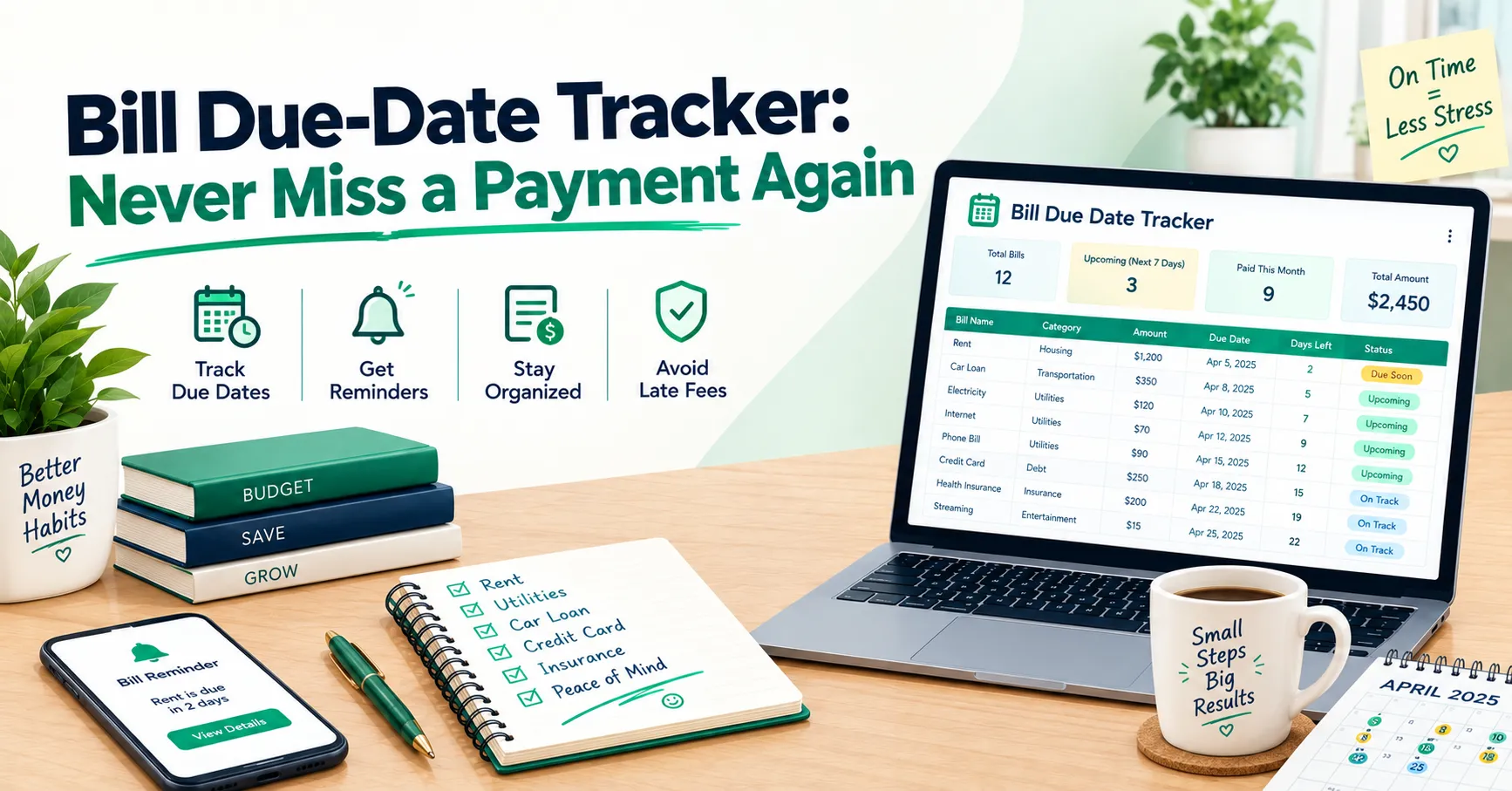
“I keep getting hit with late fees or forgetting bills.”
That’s the Bill Tracker. It’s not a budget. It’s a due-date system. One row per bill, a Dashboard that flags what’s overdue or due soon, and a cash-flow check that tells you honestly whether you can cover what’s coming in the next 7 or 30 days.
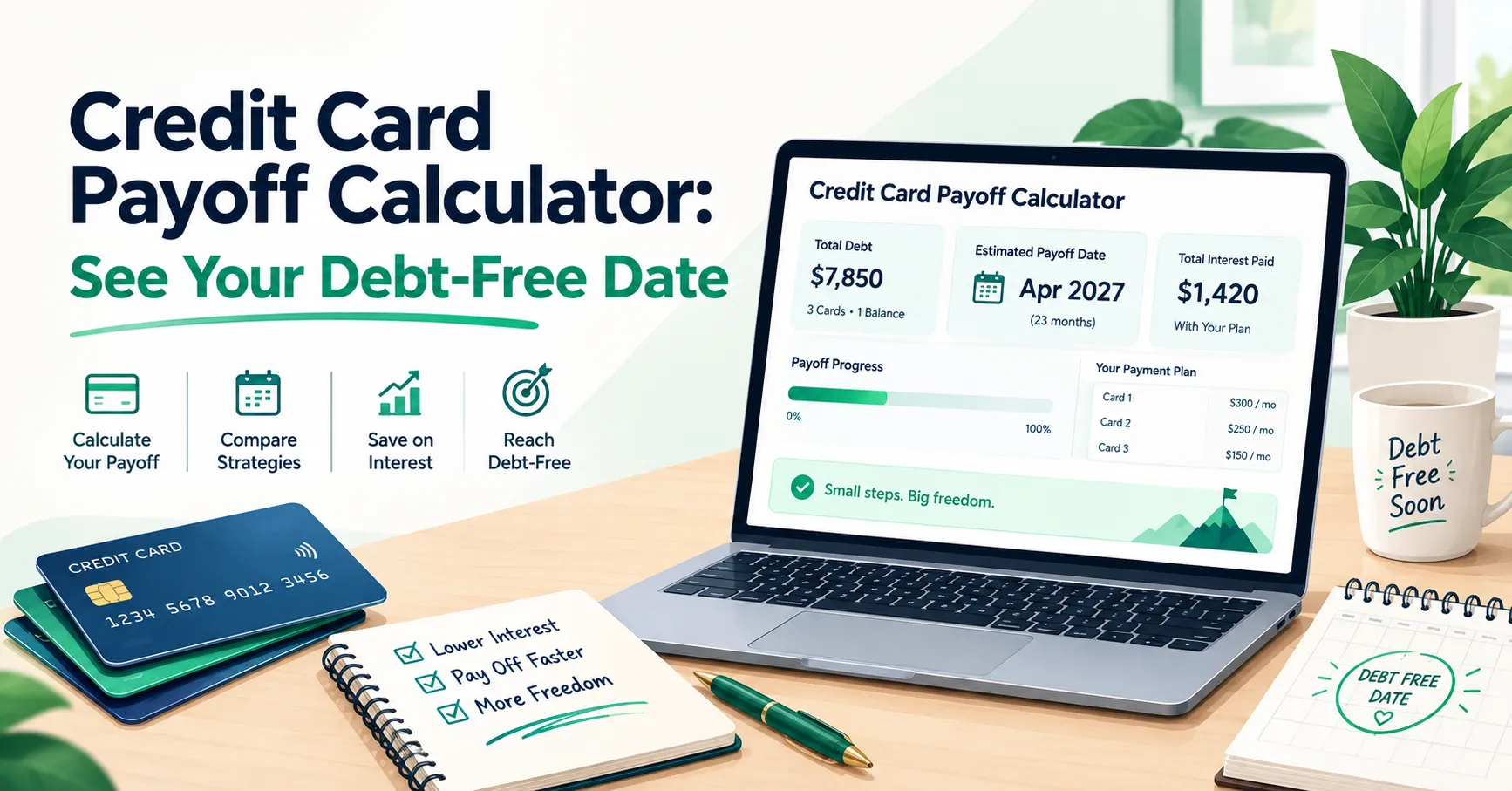
“I have credit card debt and I feel stuck.”
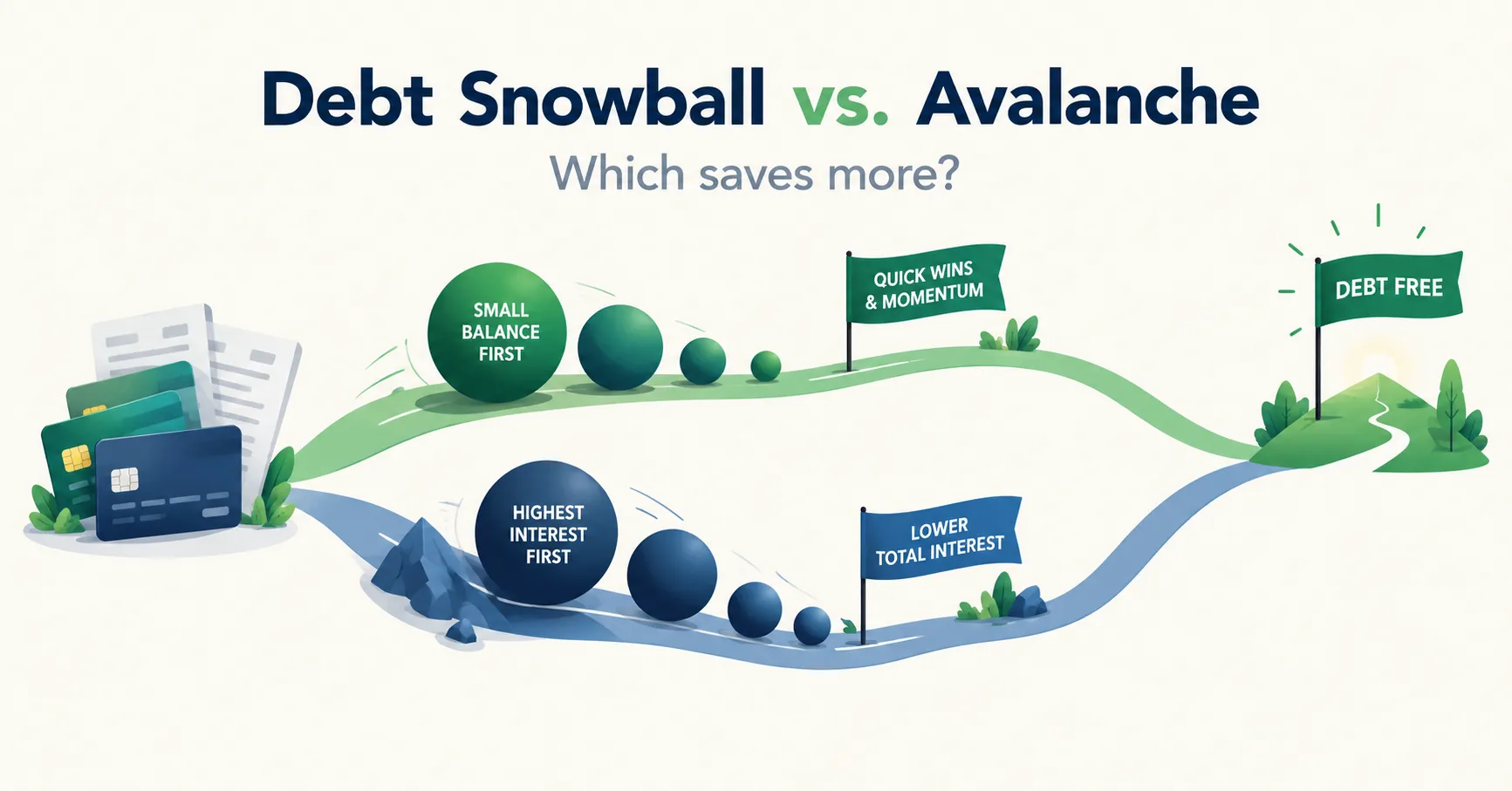
Use the Credit Card Payoff Sheet if it’s specifically cards with interest racking up — it compares snowball versus avalanche with your real numbers and shows your actual debt-free date. If your debt is more mixed, cards plus a personal loan plus whatever else, the broader Debt Payoff Tracker does the same side-by-side comparison across any kind of debt.
“I have zero savings and that scares me.”
Start with the Emergency Fund Tracker. It’s built around months of essential expenses covered, not some random target number, and it gives you an actual date you’ll hit your goal based on what you’re contributing. This one comes before almost everything else on this list, because a thin or missing cushion is what turns small emergencies into new debt.
“Money disappears on stuff I didn’t plan for, like Christmas or car repairs.”
That’s the Sinking Funds Planner. It’s for the expenses you can actually predict but never plan for. Annual insurance, holidays, car maintenance. Small monthly amounts set aside now so the bill doesn’t feel like an emergency later.
“I want to see if I’m actually making progress, not just getting by.”
The Net Worth Tracker is your monthly or quarterly check-in. Assets minus debts, tracked over time. It won’t help you day to day, but it’s the clearest long-term proof that what you’re doing is working.
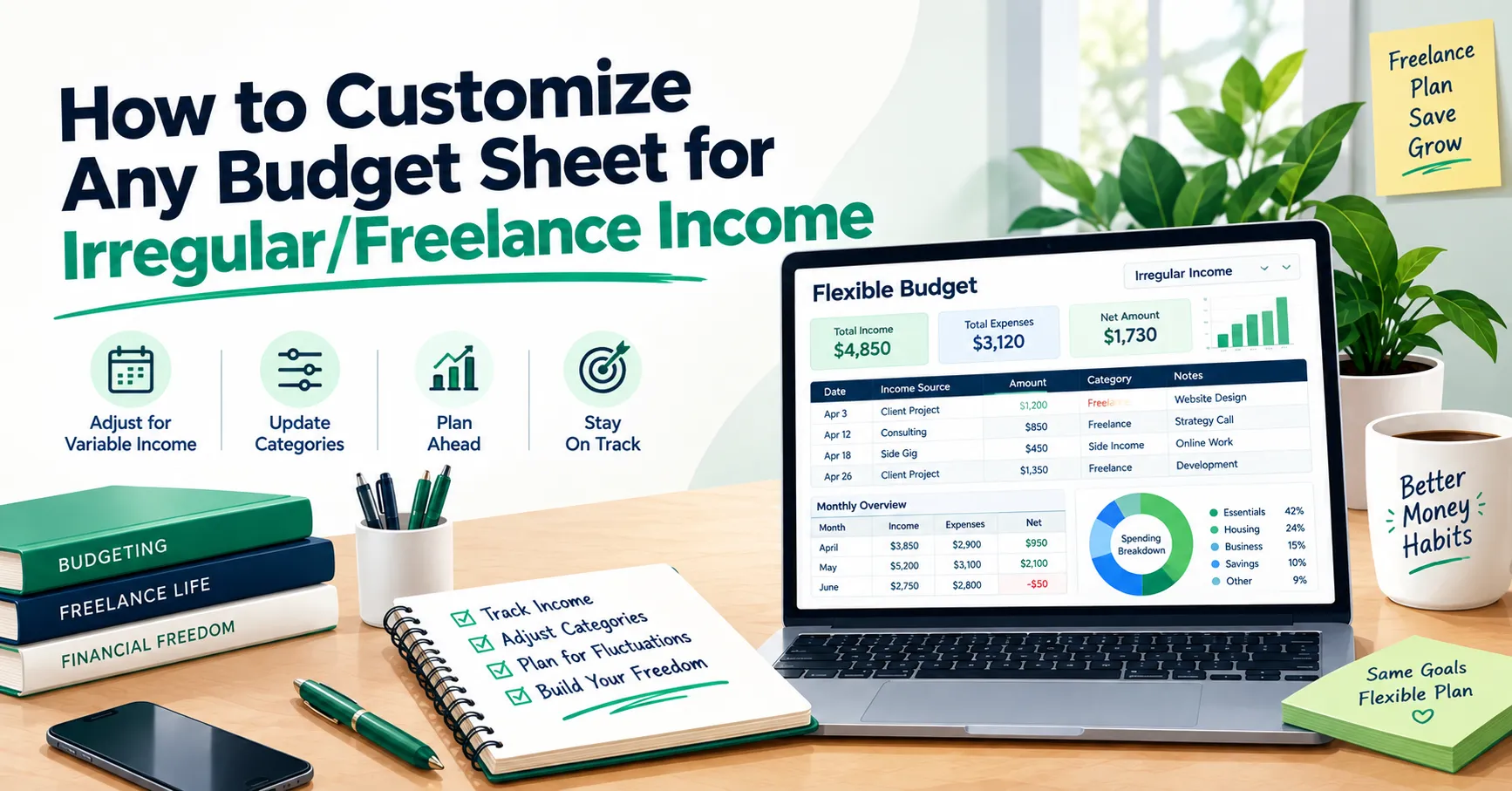
“My income isn’t steady and budgets never fit me.”
The Freelancer Budget Sheet is built around a baseline income method instead of assuming the same paycheck every month, which is the single biggest reason standard budgets fail for irregular earners.
“I want a quick win to build momentum.”
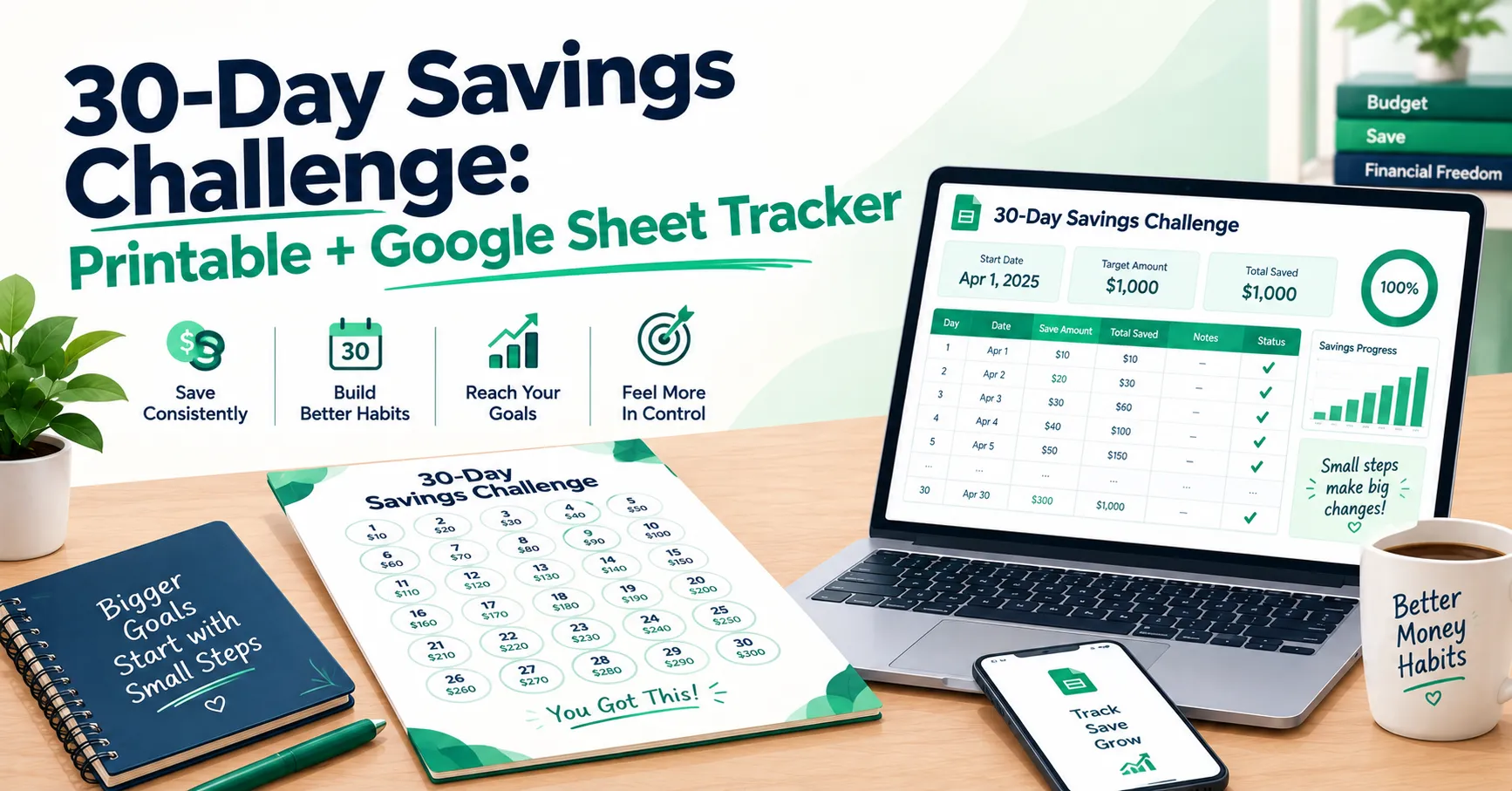
Try the 30-Day Savings Challenge Tracker. It’s short on purpose. Pick a number you can hit, log it weekly, and prove to yourself you can finish something before you take on something bigger.
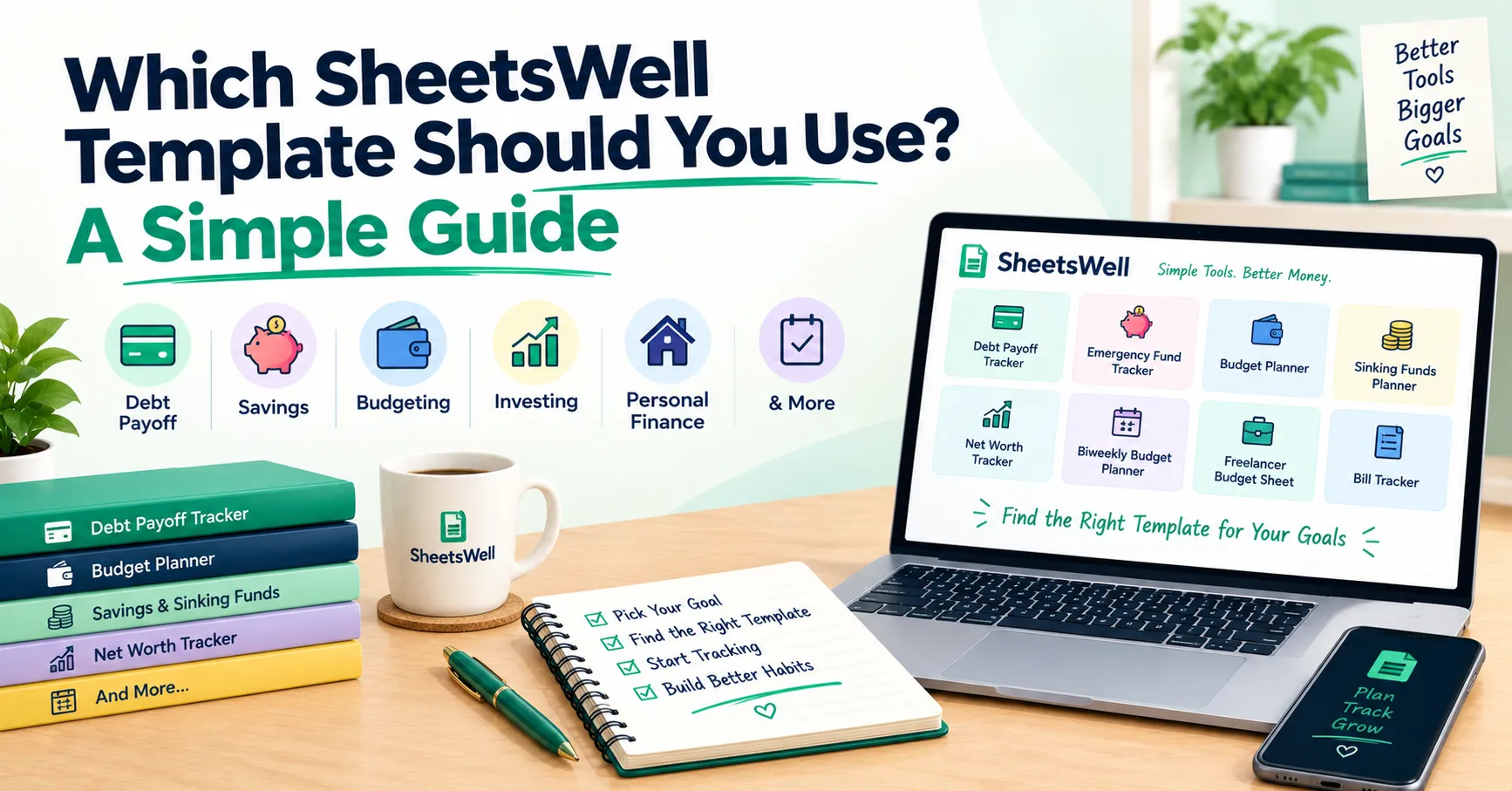
How to Actually Choose, Step by Step
- Name your biggest money stress in one sentence. Not three. One. “I keep missing bills” or “I have no savings” — whichever is true right now.
- Match it to the section above. Resist the urge to also grab two other sheets “just in case.” One tool, used consistently, beats five tools opened once.
- Use it for at least a full month before adding anything else. Most of these sheets only show their value with repeated use — a single glance at the Dashboard tells you very little compared to four weeks of real entries.
- Add the next sheet only once the first one is a habit. If you started with the Bill Tracker and it’s genuinely part of your week now, that’s the moment to add the Emergency Fund Tracker or a budget sheet, not before.
- Revisit this list every few months. Where you’re stuck changes as you make progress. The tool that fit you in January might not be the one you need in July.
A Few Things Worth Knowing
Debt and savings aren’t either-or. A lot of people think they need to finish paying off debt before they’re “allowed” to save. Even a small emergency fund alongside debt payments prevents new debt from forming while you tackle the old debt.
Don’t start with the most advanced-looking sheet. The Net Worth Tracker and the Paycheck Planner are genuinely useful, but they’re not where most people should begin. Fix the month-to-month chaos first; the bigger-picture tools matter more once that’s settled.
It’s okay to switch. If you pick the Zero-Based Budget and three weeks in it’s clearly not matching how your brain works, switch to the Paycheck Planner. That’s not failure. That’s just finding the right fit faster.
Start With Just One
You don’t need every tool on this site right now, and you definitely don’t need them all at once. Pick the one that matches what’s actually bothering you today, and give it a real shot before you reach for anything else.
Explore the full SheetsWell template library and find the one that matches your situation. If you want more structure once you’ve outgrown the free tools, check out our premium templates.
And if you’d like a nudge toward the right tool whenever something new launches, join the SheetsWell email list — no hype, no noise, just what’s genuinely helped me and a lot of other people figure out where to start.
Clear your debt. Master your cash. One tool at a time.